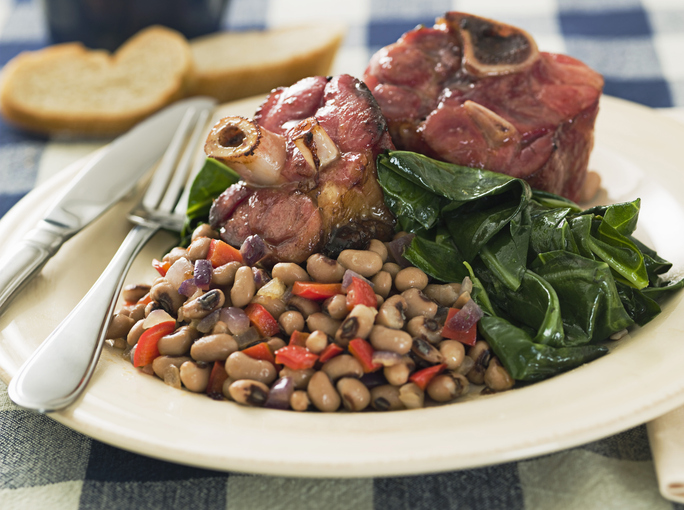

As the final hours of December 31 tick away, kitchens across the Southern United States are filled with the comforting aroma of black-eyed peas simmering on the stove. For countless families, particularly within African American communities, this humble dish represents far more than a meal—it’s a ritual steeped in history, hope, and cultural pride. The tradition of eating black-eyed peas for New Year’s is one of resilience and renewal, a practice passed down through generations, inviting prosperity into the year ahead.
African Origins and the Slave Trade
The journey of black-eyed peas begins in West Africa, where they were a dietary staple long before making their way to the Americas. Brought across the Atlantic through the horrors of the slave trade, these legumes carried with them the agricultural wisdom of the Africans who cultivated them. In the Americas, black-eyed peas were planted and harvested by enslaved people, becoming an essential part of their diet and a foundation of Southern cuisine.
More than sustenance, black-eyed peas became a symbol of survival and adaptability. For African Americans, the dish represents a link to their ancestry—a reminder of the resilience required to endure slavery and create a legacy of strength.
The Civil War and the Evolution of Luck
The association between black-eyed peas and good fortune is often tied to a story from the Civil War. During Sherman’s March to the Sea, Union troops destroyed Southern crops and livestock but left behind black-eyed peas, which they deemed fit only for animal fodder. For many families, those peas became a lifesaving source of nourishment during a time of scarcity.
This survival story transformed black-eyed peas into a symbol of luck and prosperity. Consuming them on New Year’s Day became a ritual to ensure abundance in the year ahead, a belief that endures to this day.
Hoppin’ John and the Symbolism of the Ingredients
By the 19th century, black-eyed peas had become the centerpiece of a New Year’s dish known as Hoppin’ John, a simple but flavorful combination of black-eyed peas, rice, and pork. Each element of the dish carries its own symbolism:
- Black-eyed peas: Resembling coins, they signify financial luck.
- Rice: Represents abundance and fertility.
- Pork: A symbol of progress, as pigs root forward when foraging.
Hoppin’ John is often accompanied by greens, such as collard or mustard greens, which symbolize money because of their green color. Cornbread, golden in hue, is added to represent gold and overall wealth.
More Than a Meal: A Celebration of Community
For African Americans, the tradition of black-eyed peas is about more than luck—it’s about honoring history and community. It’s a dish that reflects the perseverance of ancestors who turned a humble legume into a meaningful symbol of survival. On New Year’s Day, families gather around the table to share not just food but also stories, hopes, and dreams for the coming year.
This tradition also reinforces the idea of renewal. Eating black-eyed peas isn’t just about looking forward—it’s a moment to reflect on the resilience it took to reach this point. For African Americans, this is especially poignant, as it serves as a reminder of their journey from bondage to freedom, from survival to triumph.
The Modern Table
Over time, the black-eyed pea tradition has evolved to suit contemporary tastes. Chefs and home cooks alike have reimagined the dish, incorporating it into everything from vegan stews to black-eyed pea hummus. These modern interpretations keep the tradition alive, ensuring its relevance for new generations.
Despite the innovations, the heart of the tradition remains unchanged. Whether served in a bowl of classic Hoppin’ John or in a fusion-inspired creation, black-eyed peas are a reminder of hope, resilience, and the promise of abundance.
A Tradition Worth Keeping
As each new year approaches, the act of cooking and eating black-eyed peas serves as a powerful reminder of what it means to endure, thrive, and hope for better days. It’s a culinary ritual that connects past, present, and future, one that invites luck and prosperity while celebrating the strength of those who came before us.
So, as you prepare to welcome the New Year, consider adding black-eyed peas to your table. It’s not just a meal; it’s a tradition—a symbol of resilience, community, and the enduring belief in the promise of a brighter tomorrow.